

Dear fellow mainframer,
First, a brief update: ourDear fellow mainframer,
The Mighty Mainframe Conference is almost here!
Earlier, we shared our first lineup of speakers — Martin Pluschke, Mark Wilson, Henri Kuiper, and Joseph Westman.
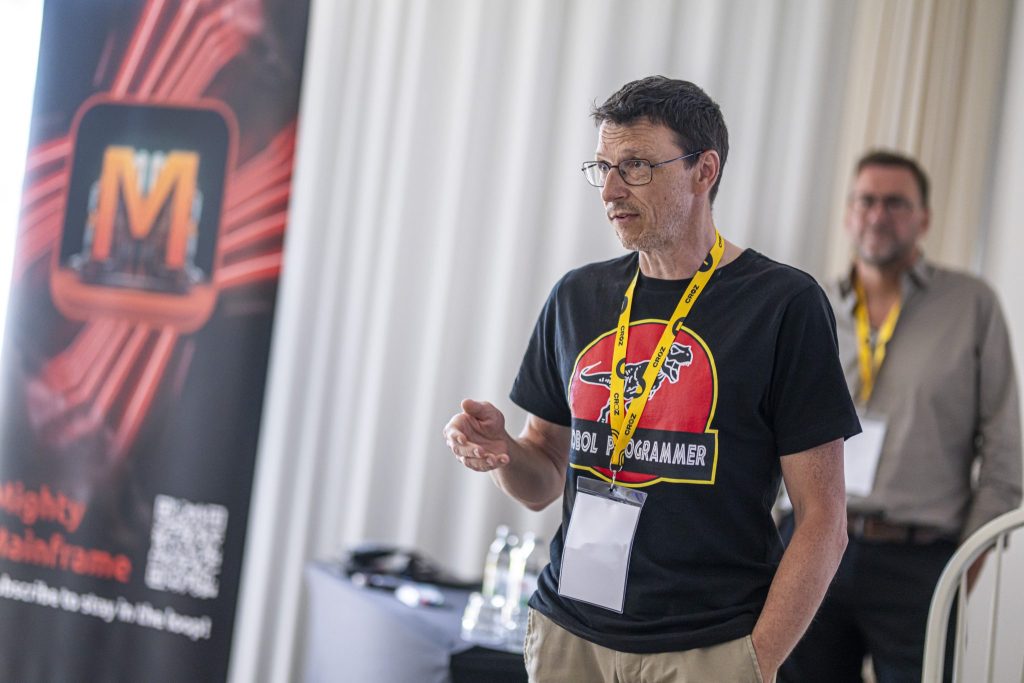
And it gets even better—we’ve added a few more standout speakers to the lineup. Read more!
We’re excited to welcome Fiona King, z/OS Product Manager at IBM, who will dive into the Polaris project and the next generation of the z/OS user experience—reimagining how users interact with and manage z/OS.
We’re also happy to have Amra Mulisic and Louise Wahlberg from Handelsbanken joining us to share their hands-on experience with zDevOps modernization. More details here:
Ta-da — the conference schedule is live:
👉 https://mainframeconference.croz.net/schedule-2026/
We’re still giving it a final polish (smoothing a few edges here and there), but it’s already looking rock-solid.
If you’ve been waiting for a sign… this is it.
If you’ve been waiting for a nudge… consider yourself nudged.
If you’ve been waiting for a gentle push… okay: go register. 😄
Non-native mainframers
Last year, we worked on a pretty challenging PL/I modernization project. It took us a few months to really understand the system. The code itself wasn’t the hard part — the bigger challenge was making sense of the overall software and data flow, including batch processing and the multiple „layers“ of the IMS database.
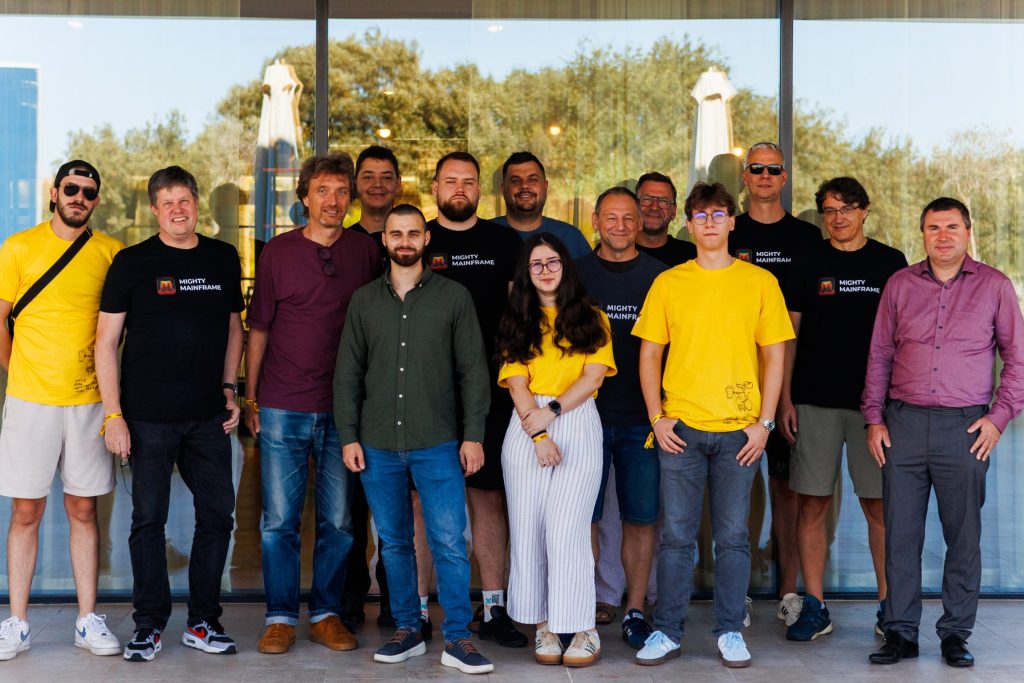
Once we had a solid understanding of the existing system, we decided to build new PL/I code — the original codebase was simply too “dirty” to work with. We put together a new development team of five people. And guess what: only two of them were a “real mainframers.” The rest were young developers with Java backgrounds and zero mainframe experience.
Still, the new development cycle and the use of AI tools helped them become productive within just a few weeks, under the guidance and supervision of senior mainframe experts.
I believe AI tools will dramatically change the software development lifecycle on all platforms — including the mainframe. At the same time, they’ll finally start to erase one of the long‑standing problems: the zSkills gap.
Forget about learning punch cards or uncovering the mainframe layer-by-layer like an archaeologist. The next generation of mainframers won’t be “native” — and that’s perfectly fine.
Industry insights
IBM and Arm announced a strategic partnership to support the Arm architecture on IBM’s enterprise computing platforms, IBM Z and LinuxONE.
The collaboration targets two key enterprise priorities: enhanced workload flexibility and robust infrastructure capable of running AI‑ and data‑intensive workloads at mission‑critical scale. As part of this effort, IBM and Arm are evaluating ways to expand virtualization technologies across the platforms.
Arm has a strong and growing presence in hyperscaler data centers, and this partnership could significantly broaden the software ecosystem available to IBM mainframe customers. While it is still early and few technical details have been made public, the announcement has the potential to meaningfully influence the future direction of mainframe computing.

Falls Sie Fragen haben, sind wir nur einen Klick entfernt.