

Dear fellow mainframer,
Something exciting is brewing… Picture three days of inspiring sessions, cutting-edge tech insights, and meaningful conversations—all set against the stunning Adriatic backdrop. At the heart of QED, the premier BizTech event, the Mighty Mainframe Conference will show how mainframes are future-ready infrastructure, not legacy. Save the dates: 10–12 May!
In the meantime, we’re bringing you a busload of mainframe modernization. Modernization isn’t a struggle to break free from legacy—it’s a full-speed, future-focused growth strategy.
Power Jump with Cobol V6
Mainframes were supposed to fade away, but instead they just got a turbo upgrade.
Upgrading from older versions to COBOL V6 on modern IBM Z hardware can deliver up to 4x faster applications, 58% less CPU usage, and 15-25% lower MIPS without risky rewrites. Lower MIPS usage usually translates into significant cost savings – your CFO may even crack a smile.
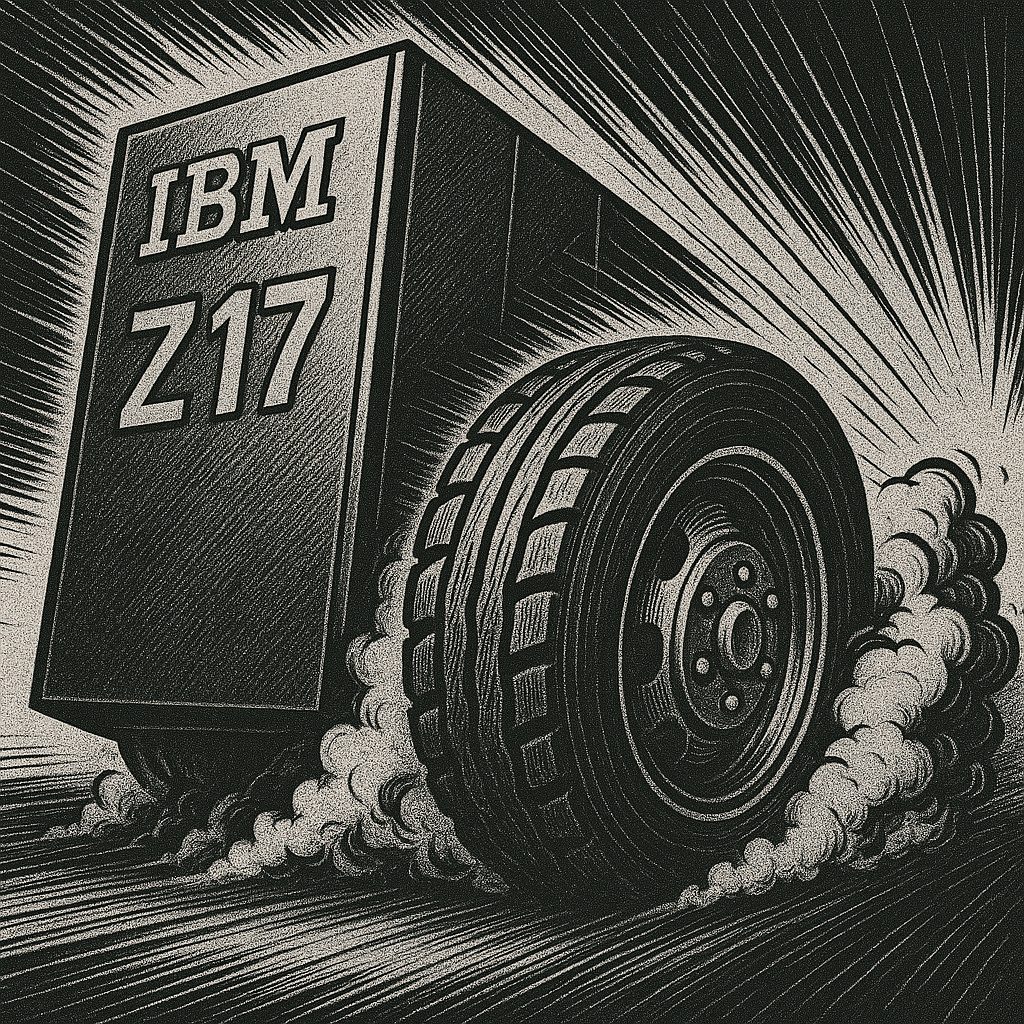
Large banks that upgraded to IBM Enterprise COBOL V6 saw 20% better performance; one project also achieved a 75% reduction in how long applications take to run, while using 17% less power than z16 version.
BTW, don’t forget to check ARCH settings!
If you want to read more, see real life examples, and how to start your COBOL modernization? Read Armin Kramer’s full blog here.
Seven Steps into the Future
A European manufacturer made a major leap forward by finally moving away from unsupported IBM mainframe hardware and software. The upgrade required seven (!) version jumps in z/OS, Db2, and CICS; a giant leap that IBM does not officially support. Instead of following the usual incremental upgrade path, we chose to execute a one-step upgrade. This bold move unlocked stronger performance, greater scalability, and modern capabilities that were impossible on their old platform. Features such as z/OSMF, zCX, improved compression, advanced security, and seamless integration with contemporary technologies are now part of their daily operations.
With supported infrastructure, the client gains easier scaling, more efficient processors, higher availability, and simpler integration with cloud, DevOps, and data platforms. Modernizing a mainframe is no longer just about avoiding risk. It is about preparing the business for future growth. If you want the full story and insights, read Dejan Stamatovic’s blog here.
watsonx Code Assistant for Z: Review and What’s Next?
I have been watching watsonx Code Assistant for Z (WCA4Z) grow from a promising idea into a tool that really starts to matter for mainframe teams. The real value is not in magical COBOL to Java conversion, but in helping humans understand huge legacy codebases faster, onboard new developers with less pain, and spot performance issues that used to hide in 10,000 lines of COBOL. It is still far from replacing mainframers, and it needs context, structure and good judgment to shine, but used the right way it becomes a powerful accelerator instead of a risky shortcut.
While we were writing the blog, IBM announced Project Bob, which will take over from watsonx Code Assistant for Z and promises a more intelligent, model orchestrated development experience while keeping all the mainframe specific strengths that already work today.
If you want a honest look into what works well, where to be careful, and what fits into real modernization projects, read Philip Kremling’s full blog on watsonx Code Assistant for Z here. For those looking to evaluate WCA4Z themselves, Philip also recommends running a Proof of Value rather than a Proof of Concept.