
The Forward Deployed Engineer (FDE) concept sounds great, but do you really know how to implement it?
In recent months, the concept of FDE has become popular again. It’s a concept popularized by large companies (like Palantir Technologies) where an engineer from a product company or a consultancy (it really doesn’t matter) is deeply immersed in the client’s context, understanding client’s business and technical landscape, and trying to build the best possible solution to achieve client’s goals. I particularly enjoyed the article Forward Deployed Engineers by Marty Cagan.
Wikipedia says that Forward Deployed Engineer (FDE) is a professional role within information technology and software engineering in which an engineer works closely with a client organization to develop, customize, and deploy technical solutions in operational environments. The role combines software development with domain understanding and direct collaboration with end users.
What is important in this definition is that we’re talking about highly skilled people (not only product people, but also engineers) who are in very close contact with the client (“forward deployed”). This close contact is necessary to immerse themselves in the client’s context and design an appropriate solution.
Key characteristics of FDEs:
- They deeply understand both the business and technical challenges at hand
- They don’t passively wait for someone to deliver detailed functional specifications
- They proactively design solutions alongside the client
FDE is a very appealing model showing results for many consultancies. Sadly, hardly any actionable advice is available on how to achieve it.
Telling people “off you go and be deployed” is not helpful. I learned that many things need to change, both in how people think and behave, as well as how their organization supports them. The whole organization needs to adopt the BizTech mindset: understand that they are still technical experts building solutions, but this time with the big picture and a deep understanding of the business reasons behind the solution. Consultancies with a BizTech mindset understand that they are a product company, too. When they are engaged with a client on building a product, during that engagement it is THEIR product, too! And they need to apply all proven product development practices.
Deploying the FDE model across the organization
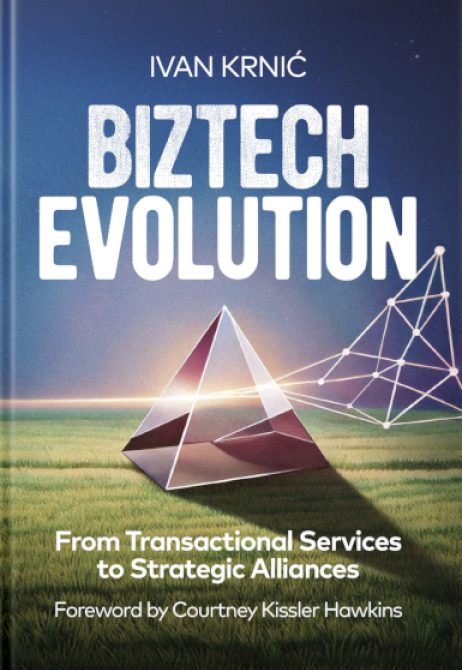
To successfully deploy the FDE model across the organization, the company needs to reinvent itself quite a bit. I described how we achieved this metamorphosis at CROZ in my book BizTech Evolution. Based on years of experience and figuring out what worked well and what didn’t, I looked for patterns, and four basic principles emerged that every organization should adopt to become a BizTech consultancy:
1. Missionaries over mercenaries
When service providers operate as missionaries rather than mercenaries, they align their success with client outcomes. This principle transforms the relationship from transactional to relational, where both parties share a common purpose. BizTech consultancies commit to delivering true value by understanding client needs at a deeper level, challenging assumptions when necessary, and focusing on long-term success rather than short-term gains.
2. Strategic work over just “more” work
BizTech consultancies understand that value doesn’t come from simply doing more work. It comes from doing the right work. This principle focuses on identifying and prioritizing strategic initiatives that drive meaningful business impact. By helping their clients and themselves distinguish between high-value work and busy work, BizTech consultancies can ensure resources are allocated to projects that deliver real transformation and competitive advantage.
3. Flow over headcount
Optimizing the flow of value is more effective than simply adding more people to a project. This principle embraces lean thinking to eliminate bottlenecks and reduce waste in service delivery. BizTech consultancies structure their teams and processes to maximize value flow, even across organizational boundaries, focusing on outcomes rather than headcount. This approach leads to faster delivery, higher quality, and more sustainable operations.
4. Community over zero-sum approach
The most successful business relationships reject zero-sum thinking in favor of creating sustainable ecosystems where all participants thrive. This principle recognizes that by contributing to a broader community, sharing knowledge, and fostering collaborative networks, BizTech consultancies create more value than they could by hoarding expertise. This approach builds trust, enhances reputation, and creates opportunities for innovation.
I agree with Marty Cagan that Forward Deployed Engineer is one of the most exciting concepts in the industry today! I hope my insights will help us all apply it more easily and generate more value for everyone in the industry. And finally, I hope (shameless plug 🙂 that Marty will skim through my book and share his thoughts, as his work has influenced me so profoundly.
More details about the book are available here: https://biztechbook.com
– – Ivan